台中外約老司機首選!紅蘋果外送茶的極致舒壓體驗
尋找高品質台中外約兼職妹妹?帶你解鎖台中最懂你的外約品質
在忙碌的生活與工作壓力下,偶爾也需要一場徹底放鬆的私人時光。紅蘋果台中外送茶以優質的客戶服務為核心,從您加入我們台中外約平台的第一時刻起,客服團隊便會給予親切熱情的接待。無論是預約流程、優質妹妹推薦還是細心的售後關懷,我們都秉持專業與貼心,讓每位來訪的兄弟都能享受到賓至如歸的尊榮感受。
✨ 台中外約精選:優質兼職妹妹推薦

🌸 溫柔甜心 · 質感長腿正妹
笑容甜美氣質迷人,擁有水嫩肌膚與窈窕曲線。性格溫柔活潑、互動非常熱絡,能帶來滿滿的戀愛感與絕佳娛樂氛圍。


💋 火辣尤物 · 白嫩性感女神
甜美氣質結合火辣S曲線,身材比例極佳。體貼溫柔且親切大方,專業一流的配合度讓您回味無窮、欲罷不能。
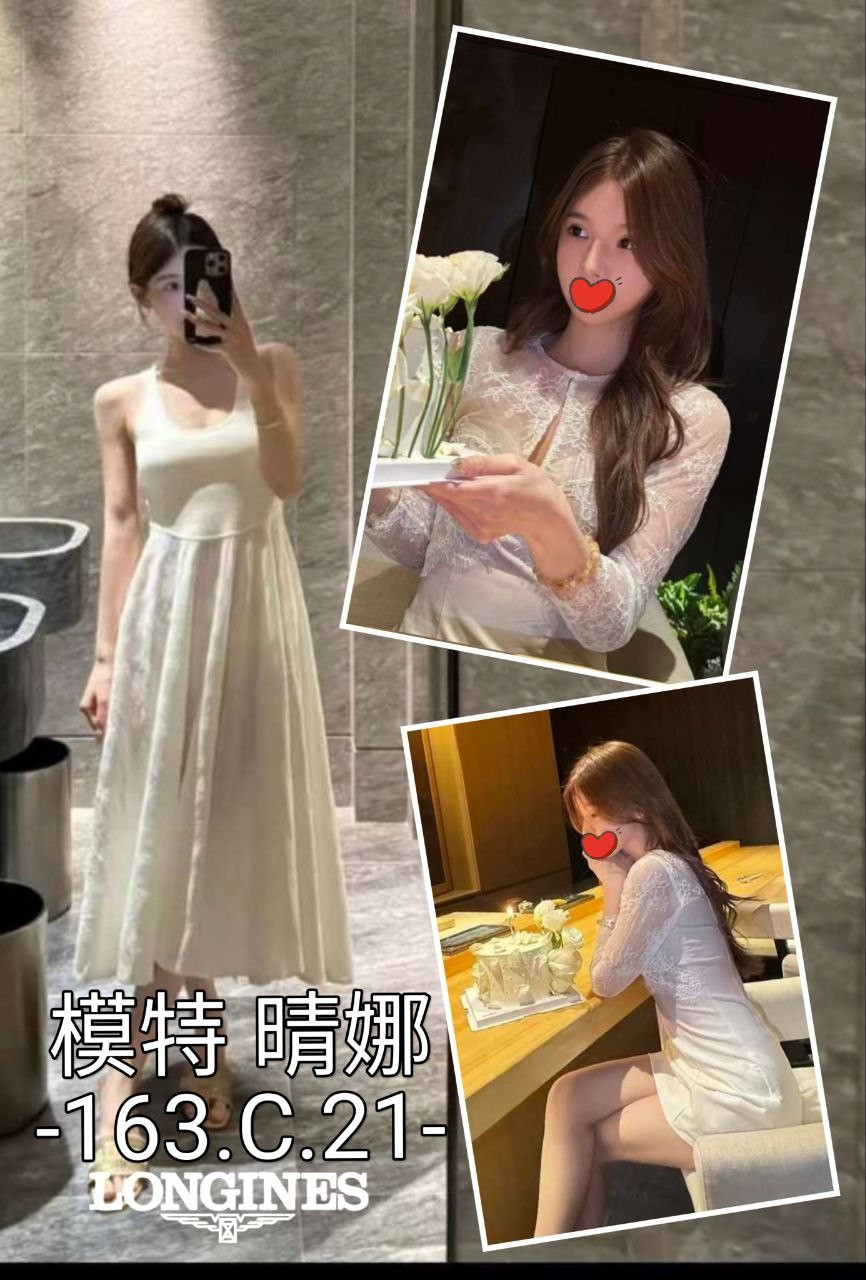
🍑 萌甜正妹 · 蜜桃翹臀小惡魔
精緻臉蛋搭配迷人氣質,擁有修長美腿與誘人翹臀。宛如激情熱戀般的貼心互動,絕對是一試難忘的夢幻選擇。
🔍 延伸探索:深度解鎖台中外約熱門兼職特輯
A Taichung Landing Page Viewed Through the Customer Journey
A visitor rarely reads an online promotional page from beginning to end. Usually, a headline earns a few seconds of attention, a photograph encourages a closer look, and a contact invitation asks for a decision. The supplied Taichung page uses a lavender-blue header, three white feature cards, and a closing messaging graphic to guide that journey. What makes this edition worth examining is its emphasis on customer care before and after an inquiry. That promise deserves clearer information, not merely more enthusiastic descriptions.
The Opening Promise Needs a Practical Definition
The introduction highlights friendly reception, transparent procedures, recommendations, and follow-up care. These are four separate stages of communication. A reader should be able to understand which stage begins with an initial question, what information the operator requests, and whether follow-up contact is optional. The page does not supply those details. Adding a concise explanation would make its customer-service message more useful while avoiding claims that every interaction produces the same outcome.
A Lavender-Blue Palette Changes the Pace
The heading uses a gentle blue-purple shade rather than the darker blue of another Taichung collection. Brown accents frame the introduction, while pale cream panels hold the card descriptions. This creates an orderly, relatively quiet reading experience. The visual design is effective when it separates distinct kinds of information, but aesthetic polish cannot prove reliability. Important policies should remain readable without depending on color alone, particularly for readers using smaller screens or accessibility settings.
First Feature: A Collection Behind One Picture
The first portrait links to an article whose address describes three individuals in a Taichung-themed collection. On the landing page, however, the photograph appears beside a singular character description. That difference could lead readers to expect an individual profile. A clearer caption would explain that the image previews a group feature. If the subject in the portrait is not identified within the linked article, the publisher should not imply that the accompanying personality description belongs to a verified person.
Second Feature: A Familiar Modeling Story
The second image points to a modeling-themed article featuring expressive photography. That destination has also appeared in other Taichung promotional collections, which makes consistent labeling particularly valuable. Reusing an older story can be reasonable when its content remains relevant. Presenting it with a completely new personality description, however, may obscure its original theme. An archive label and publication date would help readers recognize that they are visiting a previously published visual feature, not necessarily a newly confirmed listing.
Third Feature: Another Three-Person Article
The last card returns to a collection involving three featured individuals. Its teaser emphasizes a playful personal style, while the linked article’s address emphasizes its group format and visual theme. Rather than promising specific behavior or characteristics, the card could summarize the publication itself. Readers would then see two group collections and one modeling story, a meaningful structure that is currently hidden beneath similarly written captions. Accurate distinctions give a short gallery more personality than repeated superlatives.
Customer Care Should Respect the Reader’s Choices
The introduction references attention after an interaction, but never explains what that means in practice. Follow-up could involve responding to a complaint, correcting incorrect information, or checking whether a technical issue was resolved. Those possibilities should not be presented as established policies without confirmation. A transparent website can publish its contact hours, the person or team responsible for inquiries, and how visitors may opt out of further messages. Respectful service means permitting someone to end a conversation without pressure.
What an Inquiry Form Should Avoid Collecting
The page uses a messaging link rather than a visible form, yet the same privacy principles apply. A website should ask only for information necessary to answer a reasonable inquiry. It should disclose whether messages are processed by third-party platforms and how long data is retained, where known. Readers should avoid submitting passwords, bank verification codes, identity documents, or intimate images to an unverified account. Broad promises about confidentiality are less informative than an accessible explanation of actual practices.
Reduce Friction Without Repeating the Invitation
A contact graphic follows each of the three photographs and appears again in the footer. This can interrupt readers before they have explored all the stories. A single, clearly labeled closing section would give the gallery room to breathe. The repeated graphic is also loaded from an HTTP address, so the publisher should test whether a secure alternative is available. Image widths should remain responsive, while descriptive text links provide an accessible alternative if a graphic does not load.
An Honest Editorial Finish
This Taichung page can become a better reading collection without changing its core visual identity. Label the two group features accurately, identify the modeling story as an archive item when appropriate, and describe customer-care policies with concrete details. Photographs require appropriate publication permission; adult-oriented material requires legal adulthood and respect for voluntary, ongoing consent. The most useful conclusion is not a promise of a perfect experience. It is a clear explanation of what the page contains, how its links work, and what readers can reasonably expect.